Foundation
Lie on your back with knees bent. One hand on chest, one on belly. Breathe so only the belly hand rises. Practice five minutes daily for one week before applying the pattern during walks or yoga.

Breathing routines are simple lifestyle tools you can use at work, home, or outdoors. They are for general relaxation and focus — not medical or therapeutic treatment.
Learn More
Most adults breathe shallowly into the upper chest without noticing. When life feels busy, breathing often becomes quick and upper-chest dominant. Deliberate breathing techniques offer a simple pause — slowing the pace and paying attention to each breath.
Slow, even breathing at a comfortable rhythm is a widely used everyday practice. Many people find that extending the exhale slightly helps them feel more grounded. You do not need special equipment or prior training to begin.
The beauty of breathing work is portability. You can practice seated at a café on Cuba Street, standing on the waterfront before a walk, or lying in bed before sleep. Start with one technique, practice it daily for a week, then add a second to your toolkit.
Note: Breathing exercises on this page are general lifestyle suggestions. They are not intended to diagnose, treat, or prevent any condition. Stop if you feel unwell and seek advice from a qualified professional.
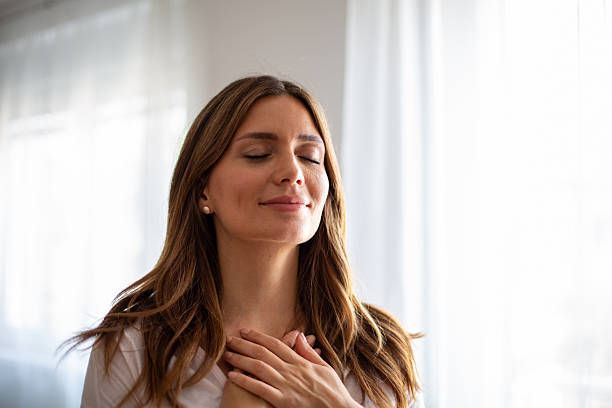
Breathe in slowly through the nose, filling the belly first then the chest. Count steadily: one, two, three, four.
Pause with lungs full. Stay relaxed — no clenching in shoulders or jaw. Notice the stillness.
Release through the nose or mouth at the same steady pace. Empty completely without force.
Pause with lungs empty, then begin the next cycle. Complete four full rounds to start.
When to use it: Before presentations, during commute delays, or when transitioning from work to home. Box breathing provides structure that keeps the mind anchored when thoughts feel scattered.
This technique requires no counting precision — the ratio matters more than exact seconds. Inhale for a comfortable four-count, then exhale for six to eight counts. Many people find a longer out-breath helps them feel more relaxed and present.
Lie on your back with knees bent. One hand on chest, one on belly. Breathe so only the belly hand rises. Practice five minutes daily for one week before applying the pattern during walks or yoga.
Coordinate nasal breathing with steps: inhale for three steps, exhale for four. Maintaining nasal breathing during moderate walking filters and humidifies air — particularly helpful on windy Wellington days.
Combine diaphragmatic breathing with Legs Up the Wall pose from our yoga guide. Ten slow belly breaths in this position often precede easier sleep onset according to self-reported feedback from workshop participants.
Attach breathing practice to existing habits rather than creating new time blocks. After your morning coffee, before opening email, and during the evening walk cooldown are reliable anchor points. Track consistency with a simple tally on paper — aim for at least five days weekly rather than perfect daily adherence.
No — they complement movement rather than substitute it. Breathing routines can be a useful part of a calm daily routine alongside walks, stretching, and other soft-format sessions.
Skip the hold phases and breathe continuously with a slightly longer exhale. Dizziness sometimes occurs when holding too long — reduce counts or eliminate pauses entirely.
Nasal breathing is preferred for calm-focused practice, but exhaling through the mouth is acceptable during extended exhale techniques. Choose what feels sustainable.
Many people notice feeling more settled right after a short session. Building a regular habit over several weeks is a personal process — experiences differ and no specific outcome is promised.