Building Duration
Week one: ten minutes total, resting at each end as needed. Add two minutes weekly until you reach thirty minutes. Use a kickboard for partial laps if arm fatigue appears before leg fatigue.

Water supports your body weight while providing natural resistance — ideal for people seeking low-impact movement that still builds endurance and muscle tone.
Get in Touch
Lifestyle information only: Water activity ideas on this page are for general reference. Pool rules, class availability, and personal suitability vary. This content does not replace advice from qualified swimming instructors, lifeguards, or health professionals.
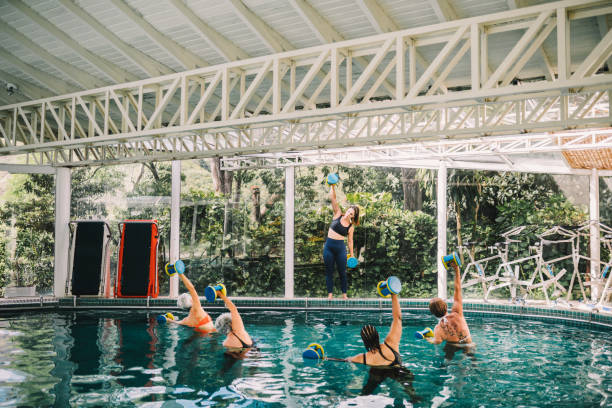
Water offers a low-impact environment for gentle movement. Buoyancy reduces load on knees, hips, and ankles compared with walking on pavement, while water resistance engages muscles during simple actions. Many Wellington residents use pool sessions as part of an enjoyable active routine.
Wellington offers several public pools with lane swimming and scheduled group classes. Freyberg Pool on Oriental Bay and Thorndon Pool near the railway station are accessible from central suburbs. Check council websites for timetables, as aqua aerobics sessions often run on weekday mornings when pools are quieter.
Temperature matters for comfort: most indoor pools maintain around twenty-seven to twenty-eight degrees Celsius. Bring a towel, flip-flops for deck hygiene, and goggles if you plan lap swimming. Hydrate before and after — sweating still occurs in water even when less noticeable.
Soft-format swimming prioritises continuous, comfortable movement over speed intervals. Think of it as aquatic walking — steady effort you can sustain for the full session without gasping for air at the wall.
Week one: ten minutes total, resting at each end as needed. Add two minutes weekly until you reach thirty minutes. Use a kickboard for partial laps if arm fatigue appears before leg fatigue.
Alternate freestyle and backstroke to balance muscle use and reduce neck strain. Breaststroke suits shorter sessions but requires more knee flexion — choose strokes that feel comfortable for you.
Rest fifteen seconds at each wall during the first month. Gradually reduce to ten seconds, then continuous laps. Never skip the warm-up: two easy laps before increasing effort.
Marching in place, arm circles, and gentle side steps in chest-deep water. Instructor sets the pace — follow the group rhythm rather than pushing ahead.
Combinations of leg kicks holding the pool edge, cross-country skiing motion, and jumping jacks modified for water resistance. Water dumbbells optional for upper-body work.
Slow walking laps and static stretches using the pool wall for balance. Focus on calves, quadriceps, and shoulders.
Classes attract regular attendees who know each other — introduce yourself before the first session. The social aspect supports long-term attendance better than solo pool visits for many people.
Use the pre-swim shower at public pools — it removes lotions and reduces contamination for all users per Wellington pool regulations.
Observe lane direction signs during lap swimming. Slower swimmers typically use outer lanes; pass on the left when sharing a lane.
Tilt head after swimming to drain water from ears. Consider silicone earplugs if prone to irritation from frequent pool sessions.
Exit the pool if you feel cramping, unusual fatigue, or breathlessness. Rest poolside and re-enter only when you feel fully comfortable.